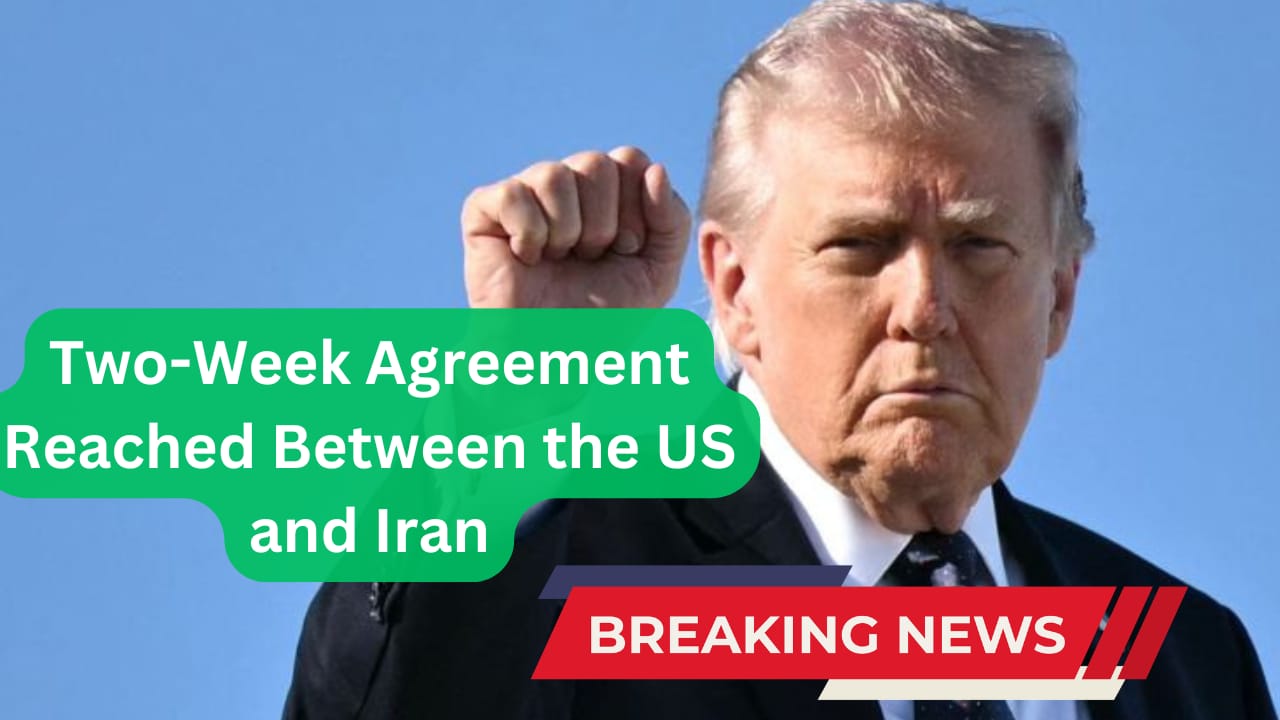
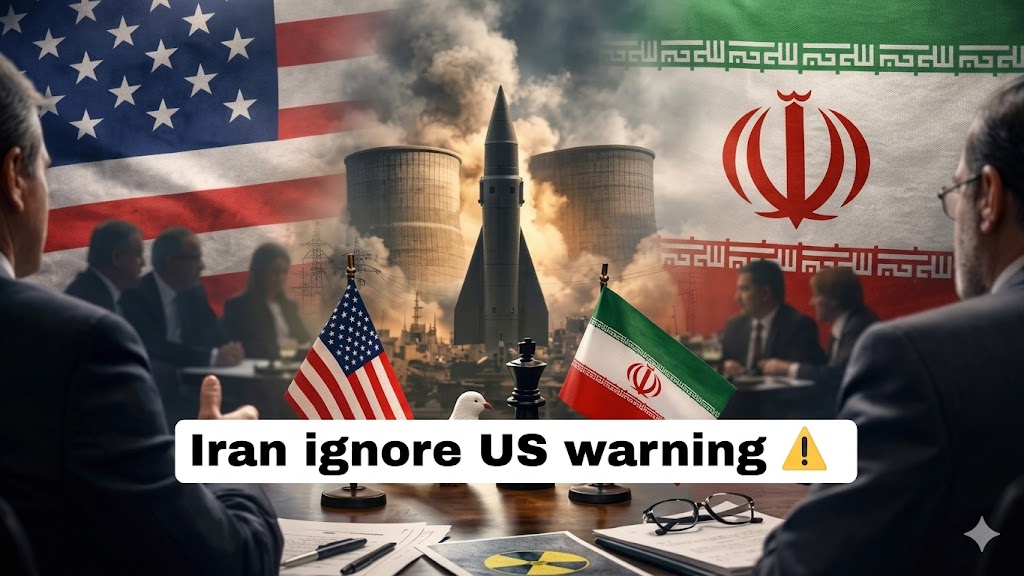
As of mid-April 2026, U.S. President Donald Trump has sent a very powerful message to the leaders of Iran. He said that the United States will not take “decades of pressure” anymore. This means he is tired of how things have been for a long time. He wants to change the way the two countries talk to each other.
For many years, there has been a lot of stress between the US and Iran. Trump’s new words show that he is moving to a much stronger position. He is using this message to show that the US is ready to act. People are calling this a big shift in how he handles the situation.
This statement comes during a very scary time in the world. Relations are very sensitive right now because of military actions. By saying this, Trump is using his words as a tool of power. He wants everyone to know that the US is not going to back down.
Why Trump Made This Strong Statement
The main reason for this statement is the current trouble in the sea. Iran has been blocking the Strait of Hormuz, which is a very important path for oil. This block makes oil prices go up all over the world. Trump wants Iran to open this path immediately so trade can continue.
Another reason is that Trump wants a “tough deal” with Iran. He believes that the old ways of talking did not work. He is putting heavy pressure on them to make them negotiate differently. He wants to stop Iran’s nuclear plans and their military moves in other countries.
Finally, he is doing this to show American strength to the world. He wants to prove that under his leadership, the US will be the boss. He is setting a deadline for Iran to change its behavior. If they do not change, he has threatened to hit their important buildings.
How Iran Is Responding To The Message
Iran did not stay silent after hearing Trump’s words. Their leaders called his threats “delusional” and “arrogant.” They say they are not afraid of his deadlines. They believe they have the right to defend their own land and water.
Iran also said that they are ready for any scenario that happens. They have warned that if the US or its allies attack, they will fight back hard. Some Iranian officials say they are prepared to protect their power plants and bridges. They are even forming “human chains” to show they will stand together.
However, there is also some talk about peace behind the scenes. Even though they speak harshly, they are sending people to meet in Pakistan. This shows that Iran might be looking for a way to stop a full war. They are trying to see if they can get a fair deal while staying strong.

What This Means For A Possible War
This statement changes a lot of things for the future. It makes the chance of a big war feel much closer than before. If neither side backs down, a small fight could turn into a very big one. Both militaries are on high alert right now.
But this pressure might also force both sides to talk more seriously. Sometimes, very strong words are used to get a better deal at the table. If a deal is reached in Pakistan, the war might be stopped. This is why the next few days are very important for the whole world.
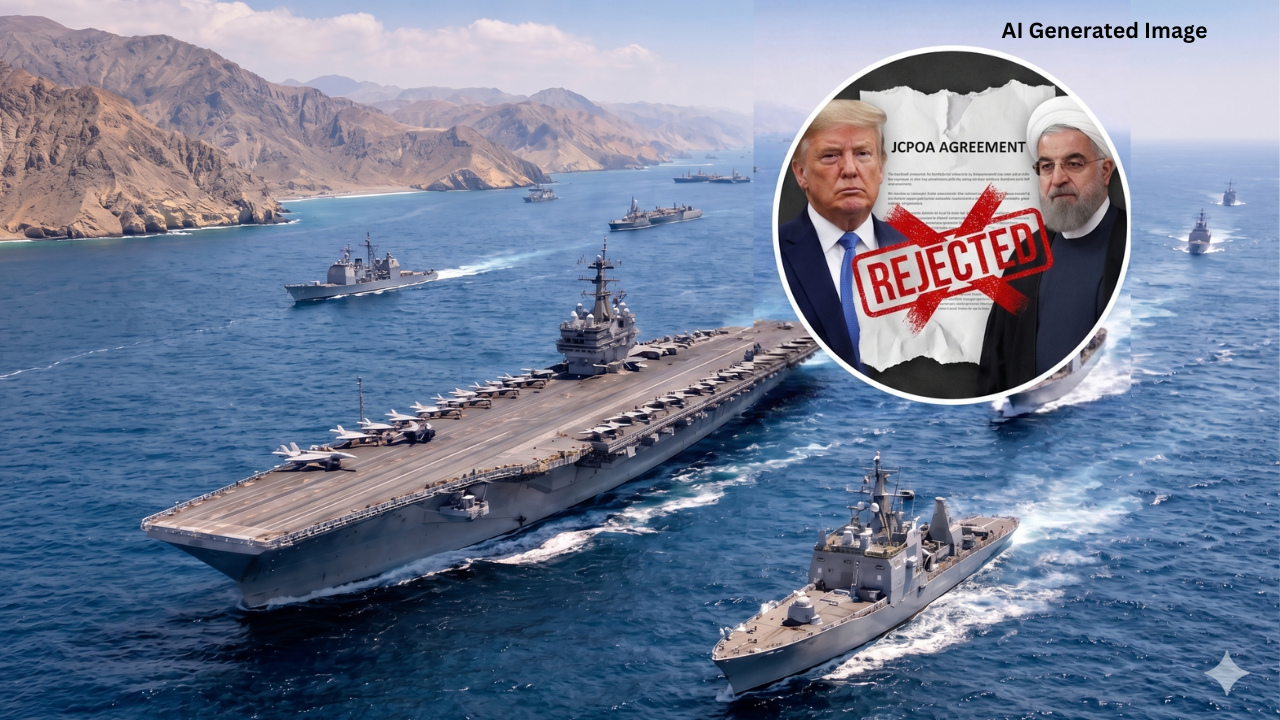
If the talks fail, the US might use its navy to block Iran’s ports. This would stop Iran from selling anything to other countries. This “blockade” could lead to more fighting in the ocean. Everyone is hoping that the leaders can find a way to stay at peace.
Conclusion
Donald Trump’s message has made the world watch the US and Iran very closely. He has made it clear that the time for waiting is over. Iran is standing its ground but also looking at peace options. We will soon see if these strong words lead to a new deal or a bigger conflict.
FAQ
Did Trump set a deadline?
Yes, he gave Iran a very short time to make a deal.
Where are the peace talks happening?
The representatives are meeting in Islamabad, Pakistan.
What is the Strait of Hormuz?
It is a narrow sea path used for moving most of the world’s oil.
What happens if the talks fail?
Trump has threatened to hit Iran’s power plants and bridges.
Is Iran ready to talk?
They are sending people to negotiate but still using strong words.