
Rising Tensions in the Golan: Bedouin Tribes Mobilize Against Israeli Forces in Southern Syria
Date: April 3, 2026 Location: Daraa and Quneitra Regions, Syria Status: High Alert / Active Mobilization
The southern border of Syria has transformed into a flashpoint of potential conflict as Bedouin tribes, operating under the banner of the Arab Tribal Army, have begun a massive mobilization. This movement is aimed directly at the Israeli-occupied Golan Heights, marking one of the most significant grassroots military escalations in the region in recent years.

The Trigger: Israel’s New Death Penalty Law
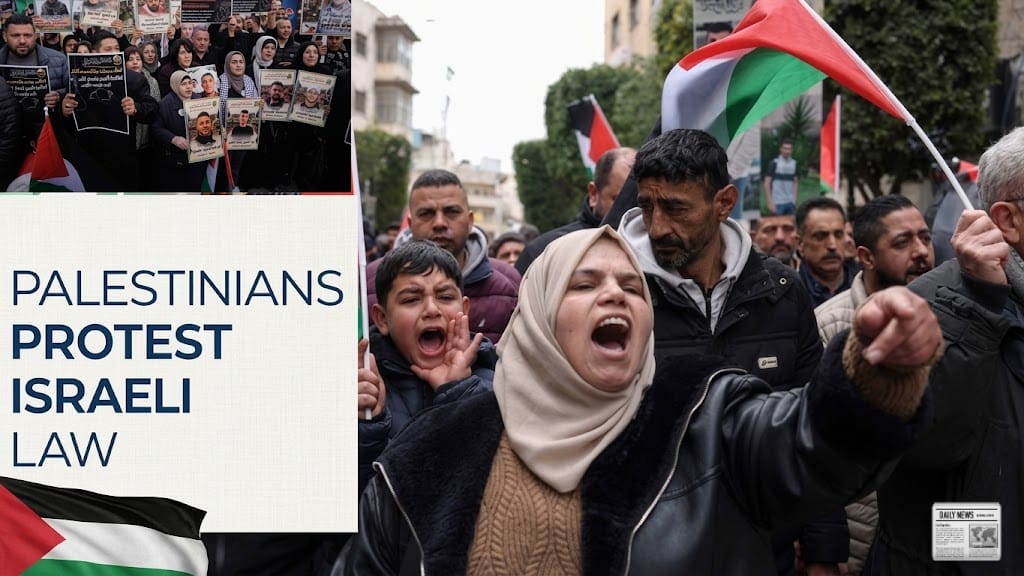
The primary catalyst for this sudden surge in “Jihad” declarations is a controversial law passed by the Israeli Knesset on March 30, 2026. This legislation allows for the death penalty to be sentenced to Palestinian prisoners convicted of fatal attacks.
The law has sent shockwaves through the Arab world, with tribal leaders in Syria viewing it as a “red line” and a direct act of state-sanctioned execution against their kin. For the Bedouin tribes of the Daraa region, this was the final straw that turned political tension into military preparation.
Detailed Timeline and Attack Data
While the situation remains fluid, here isthe step-by-step breakdown of the mobilization and reported skirmishes:

1. The Mobilization (March 31 – April 2, 2026)
Following the announcement of the Israeli law, Bedouin tribes from the Arab Tribal Army began gathering in the Daraa governorate. Specifically, the movement gained momentum in the town of Nimr.
- The Forces: An estimated 3,000 to 5,000 tribal fighters are reportedly moving toward the western countryside.
- The Intent: To breach the demilitarized zone and engage Israeli Defense Forces (IDF) patrols currently active inside Syrian territory.
2. The Conflict at the Buffer Zone
As of April 3, 2026, the Syrian Transitional Government’s military has been deployed to intercept the tribes. Damascus is attempting to prevent a full-scale war with Israel, fearing that a tribal attack would trigger a massive Israeli aerial bombardment of Syrian cities.
- Internal Friction: In a shocking turn, the head of the Syrian Defense Ministry branch in Nimr voiced public support for the Bedouins, threatening to defect and join the “Jihad” if the Syrian army continued to block the tribes’ path to the Golan.

3. Reported Casualties and Impacts
While a full-scale invasion of the Golan has not yet occurred, localized skirmishes between tribal scouts and IDF border units have been reported:
- Estimated Casualties: Reports from local activists indicate approximately 12-15 individuals have been injured in artillery exchanges near the Yarmouk Basin.
- Eliminated Targets: No official data on fatalities has been confirmed by either the IDF or the Syrian Ministry of Defense, though drone strikes were reported near Koya to disperse tribal gatherings.
Strategic Locations: The “Nishane” (Targets)
The Arab Tribal Army has identified specific strategic points for their advance:
- The Golan Heights (Israeli-Occupied): The ultimate objective, specifically the high-ground fortifications overlooking the Daraa plains.
- The UN-Monitored Buffer Zone: Tribes are attempting to bypass UN checkpoints to reach the separation fence.
- Quneitra Crossings: A secondary front where tribal forces are reportedly coordinating with local Druze militias to create a unified southern front.
The Global Impact: Why This Matters
The involvement of Bedouin tribes adds a layer of unpredictability to the Middle East conflict. Unlike state militaries, tribal armies are harder to deter through traditional diplomacy.
- Economic Impact: Any major conflict here threatens the stability of the Levant’s trade routes.
- Refugee Crisis: Fresh fighting in Daraa could displace another 100,000+ civilians, many of whom are already living in temporary shelters following the 2025 internal unrest.
- International Response: The United States and the UN have called for “maximum restraint.” However, with the Knesset’s death penalty law now in effect, de-escalation seems unlikely in the short term.

Conclusion: A Powder Keg Ready to Explode
The mobilization of the Arab Tribal Army is a direct response to what they perceive as the “dehumanization” of Palestinian prisoners. With the Syrian military caught between its own angry citizens and the fear of Israeli retaliation, the next 48 hours are critical. If the Bedouin tribes successfully breach the Golan lines, the region could face a multi-national war that draws in powers far beyond the Syrian border.